Wildflower Meadows
We offer a full range of services encompassing all approaches to creating and managing Wildflower Meadows, from tilling, sowing and planting, to cutting, collecting and composting. From the big to the small, beauty lies within all.
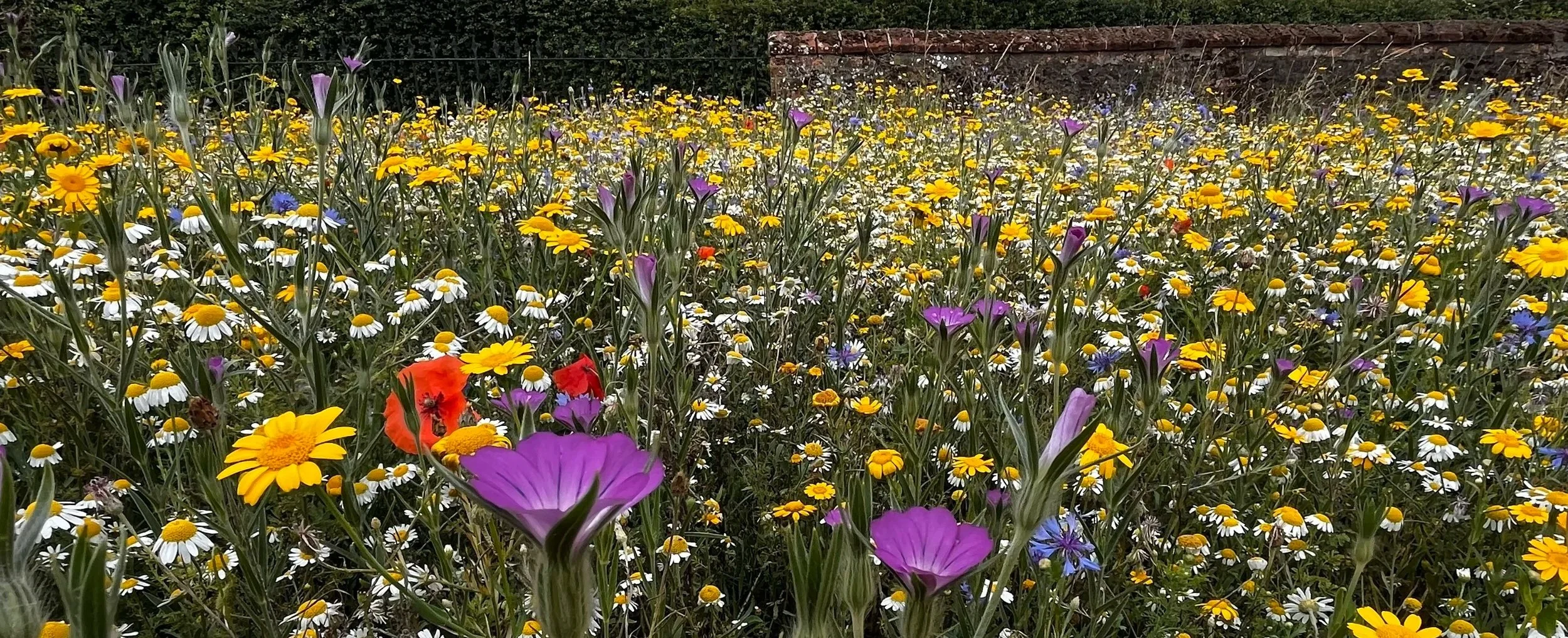
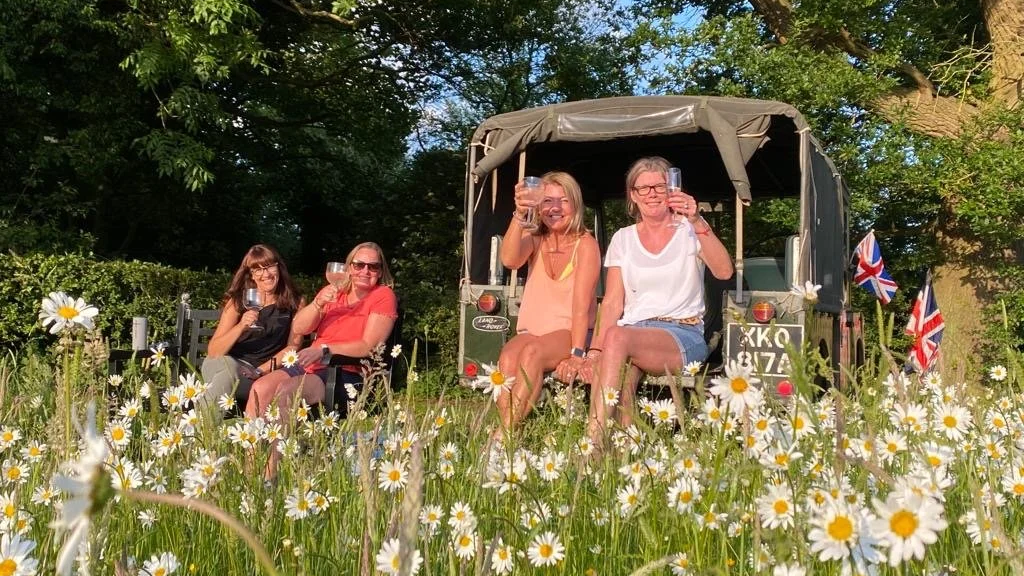
Wildflower Meadows are some of the most majestic spaces to spend time, not only for us, but for a huge host of animals and insects that call them home. The above image is from a Meadow we made at Grimston Church in Norfolk. But the UK has lost nearly 97% of its Wildflower Meadows since the 1930’s, resulting in a huge crash of both insect and birdlife across our country. The UK is now sadly recognised as in the bottom 10% of nations with less than half its original biodiversity according to the State Of Nature report, the most comprehensive report on the UK’s current Biodiversity. BUT let’s turn this around! There are many ways of meadow making, whether a patch in your garden, school or office, or part of a field, or indeed like many clients a whole field. Below looks at a number of our approaches for a number of clients, with something to suit all.
Wildflower Meadow Making
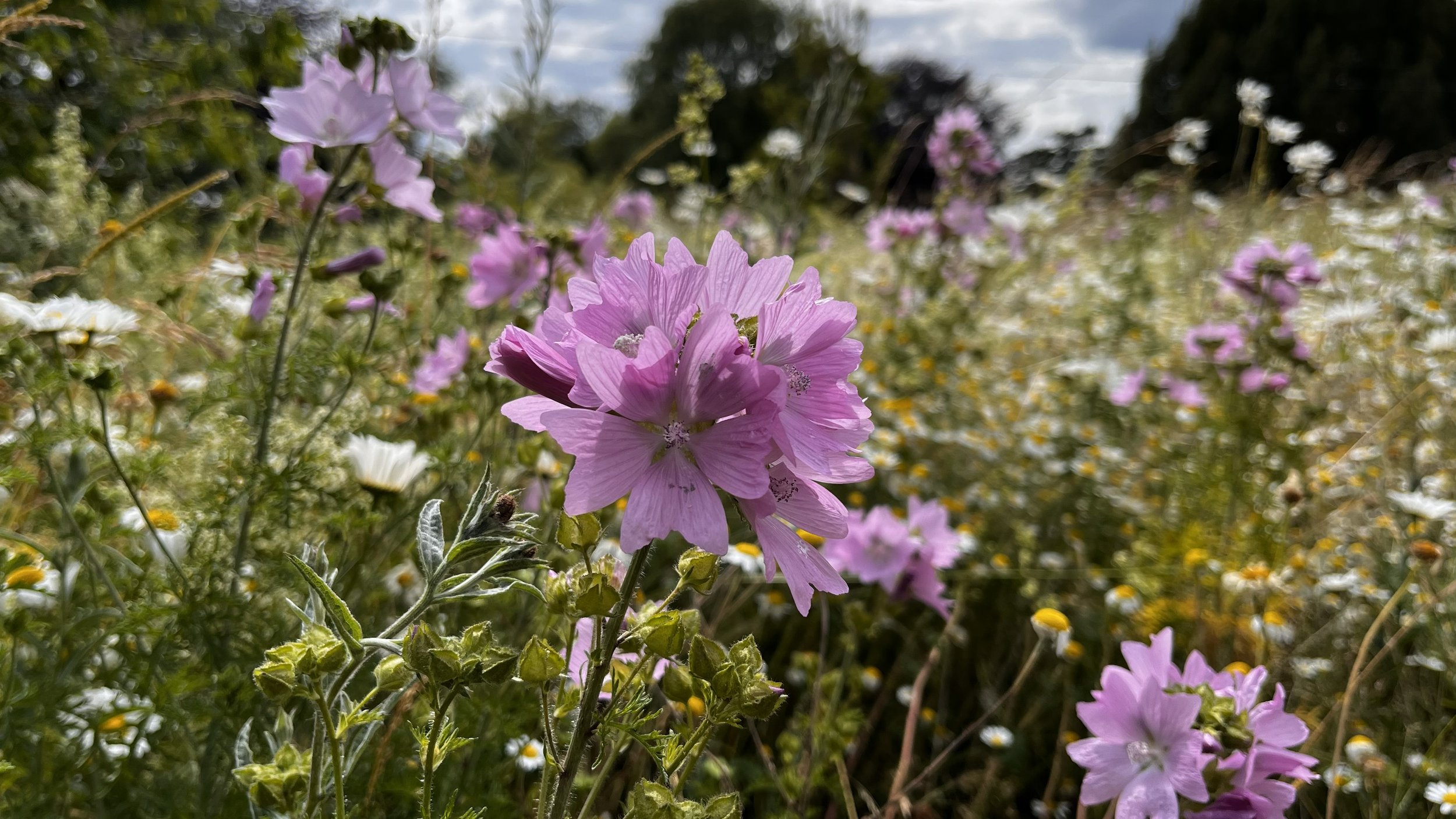
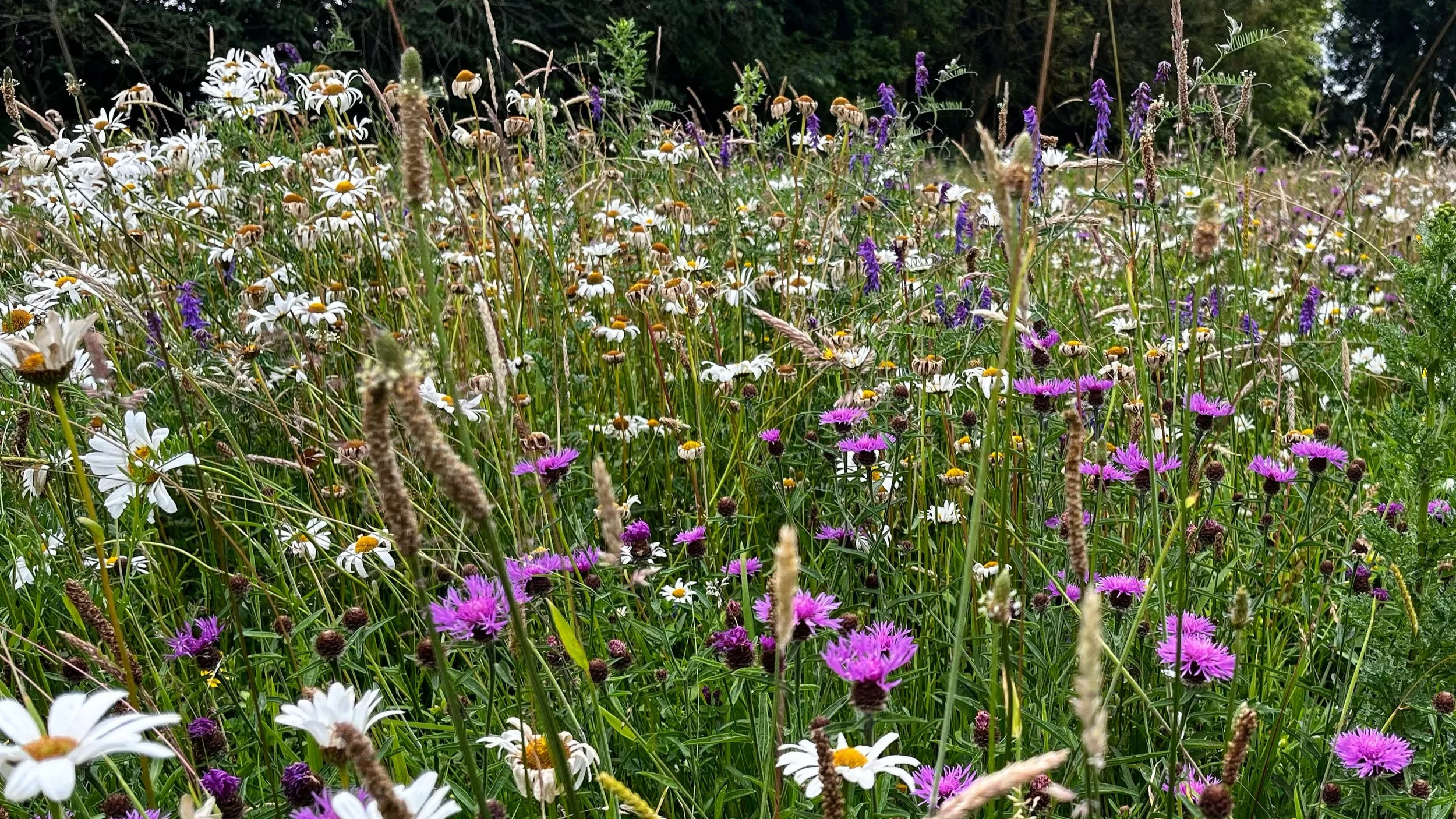
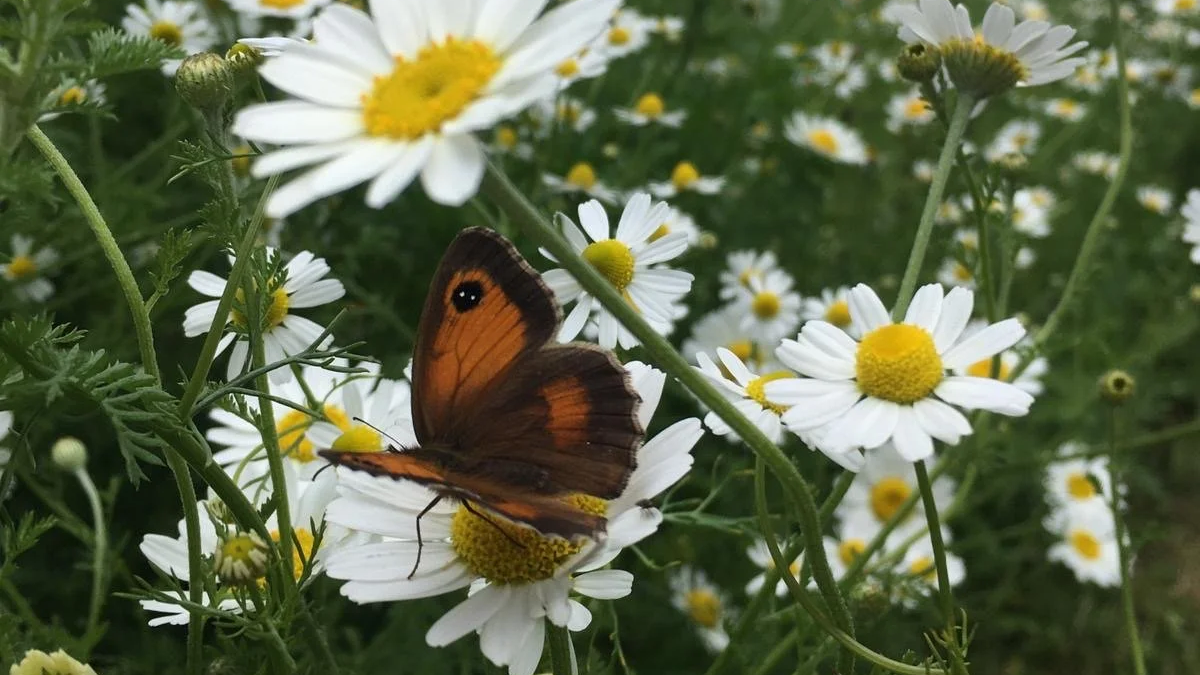
Starting from scratch is probably the quickest way to establish a meadow, and there are three ways to approach it, with three different costs: with seed (the cheapest), with plug plants (mid-cost) and with turf (high cost). We generally use either seed, or a mix of seed and plug plants depending on where, when and what the project is looking to achieve. Below is a project from scratch in the corner of a large field.
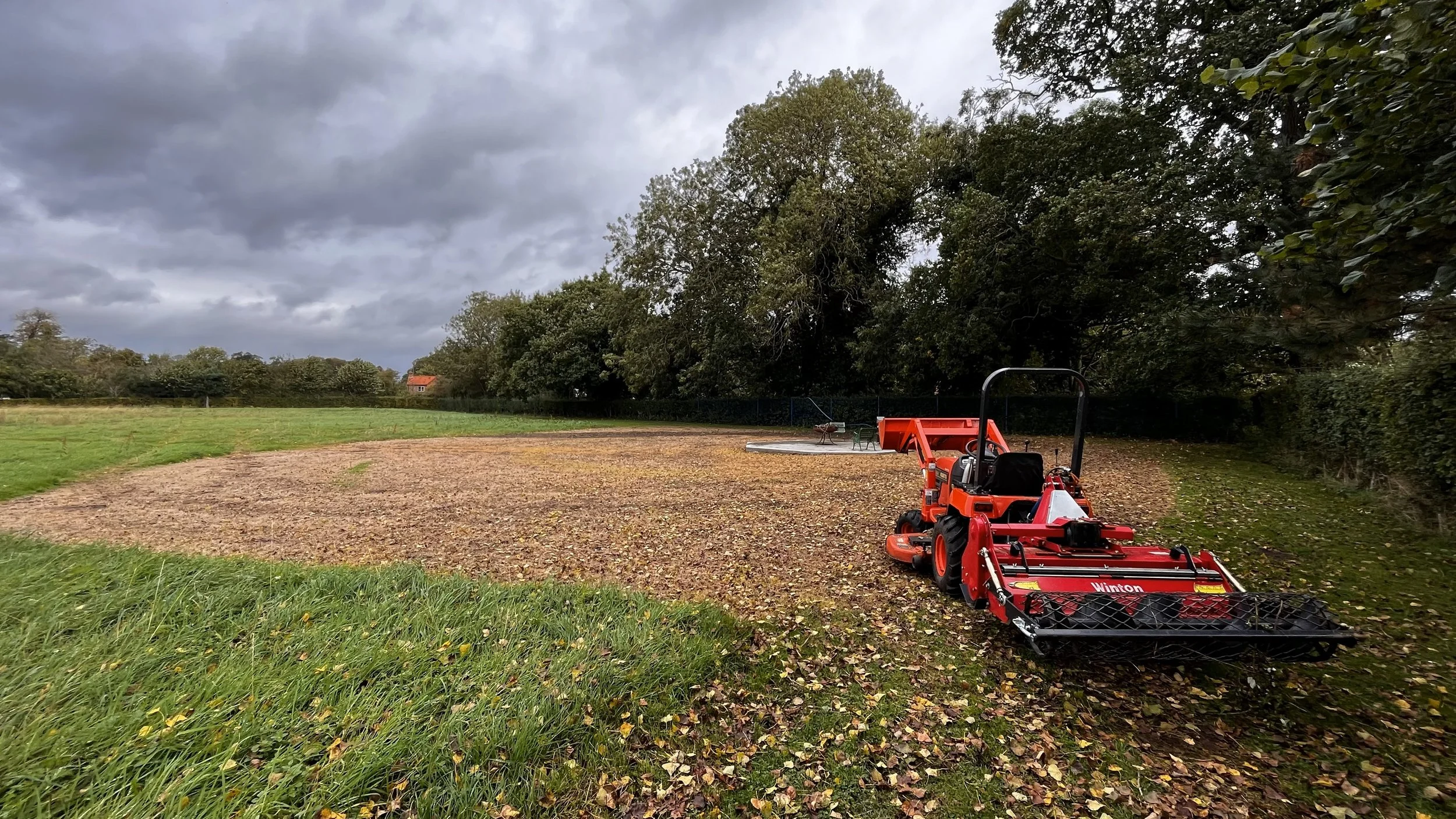
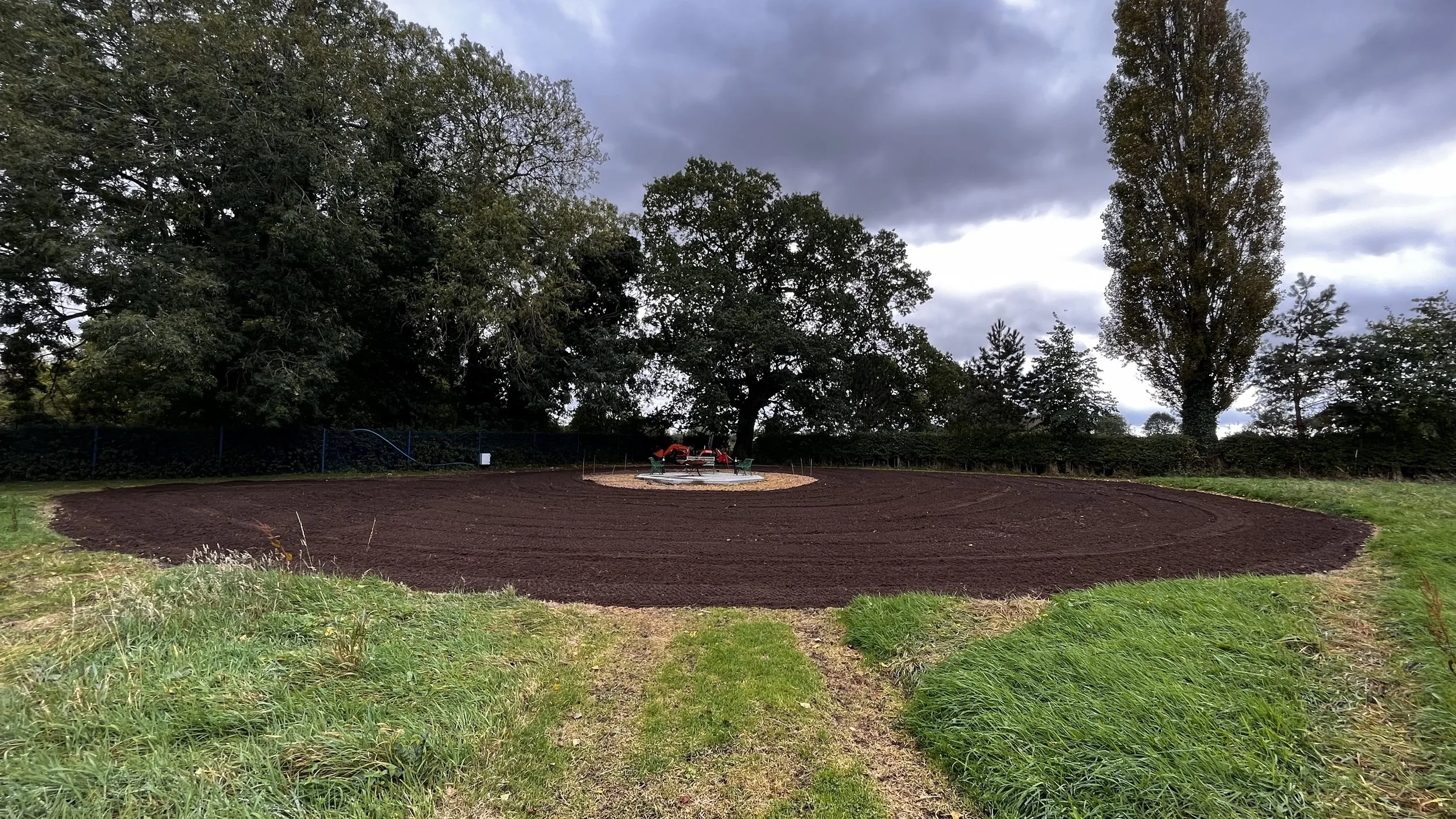
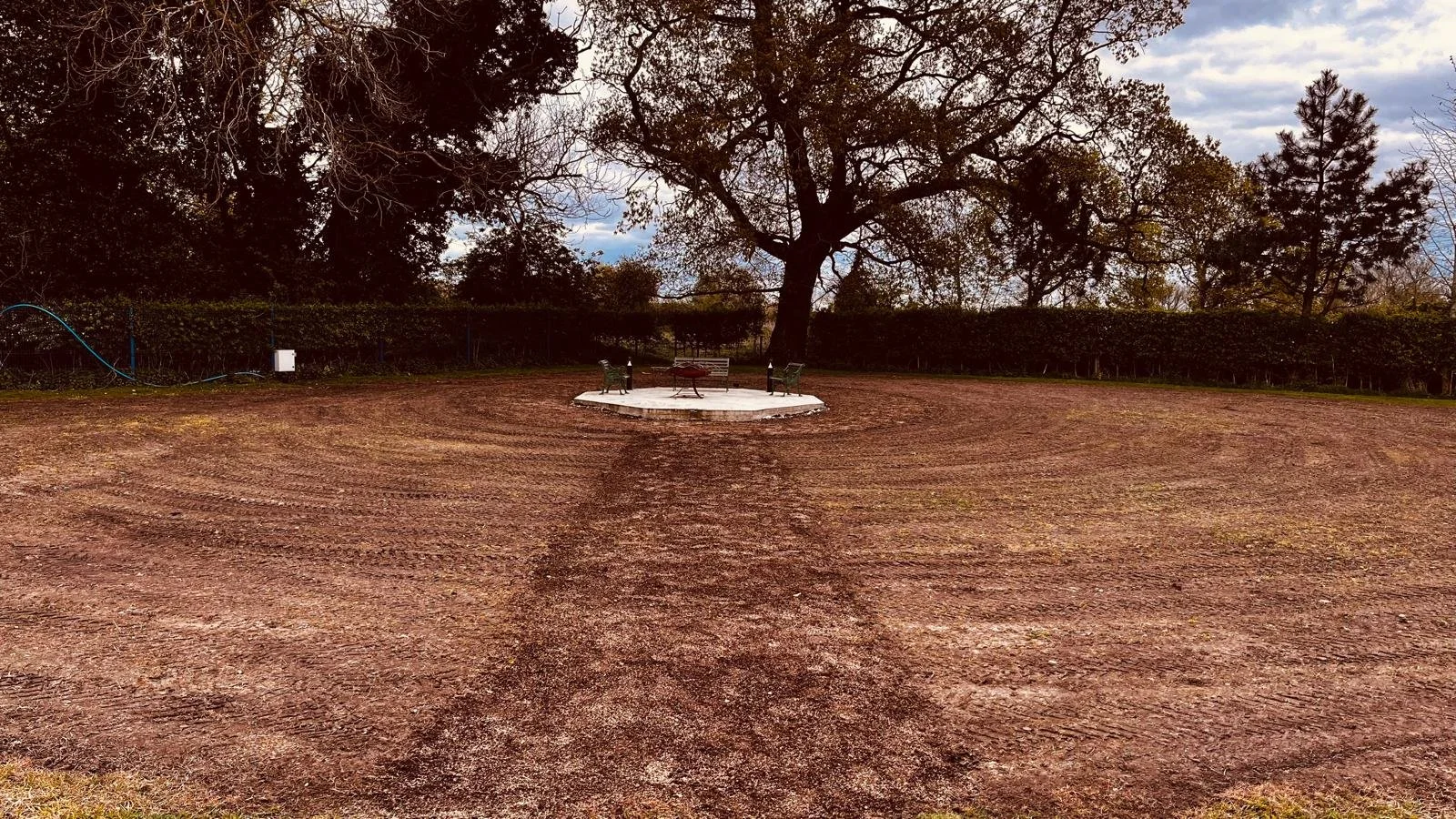
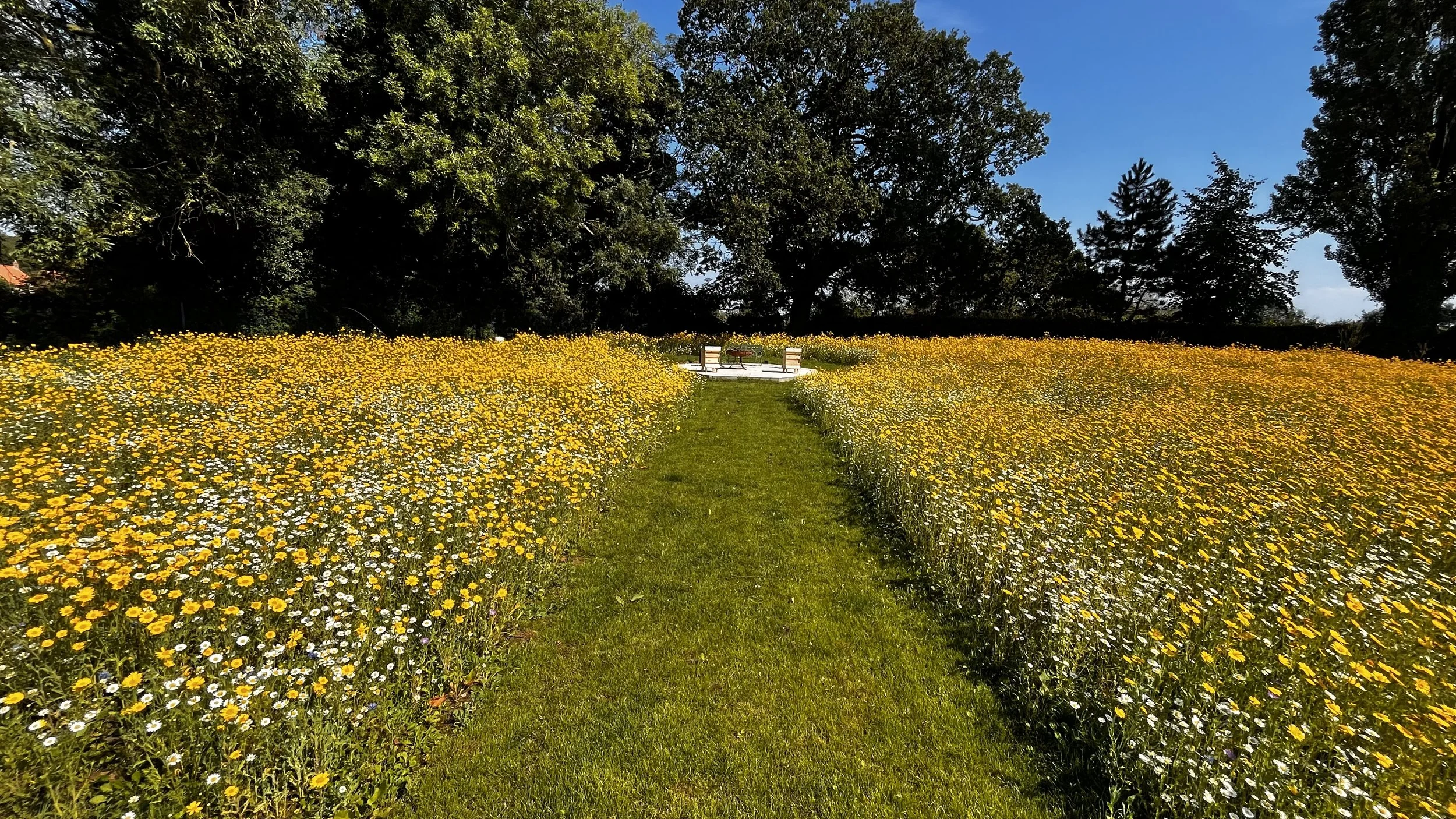
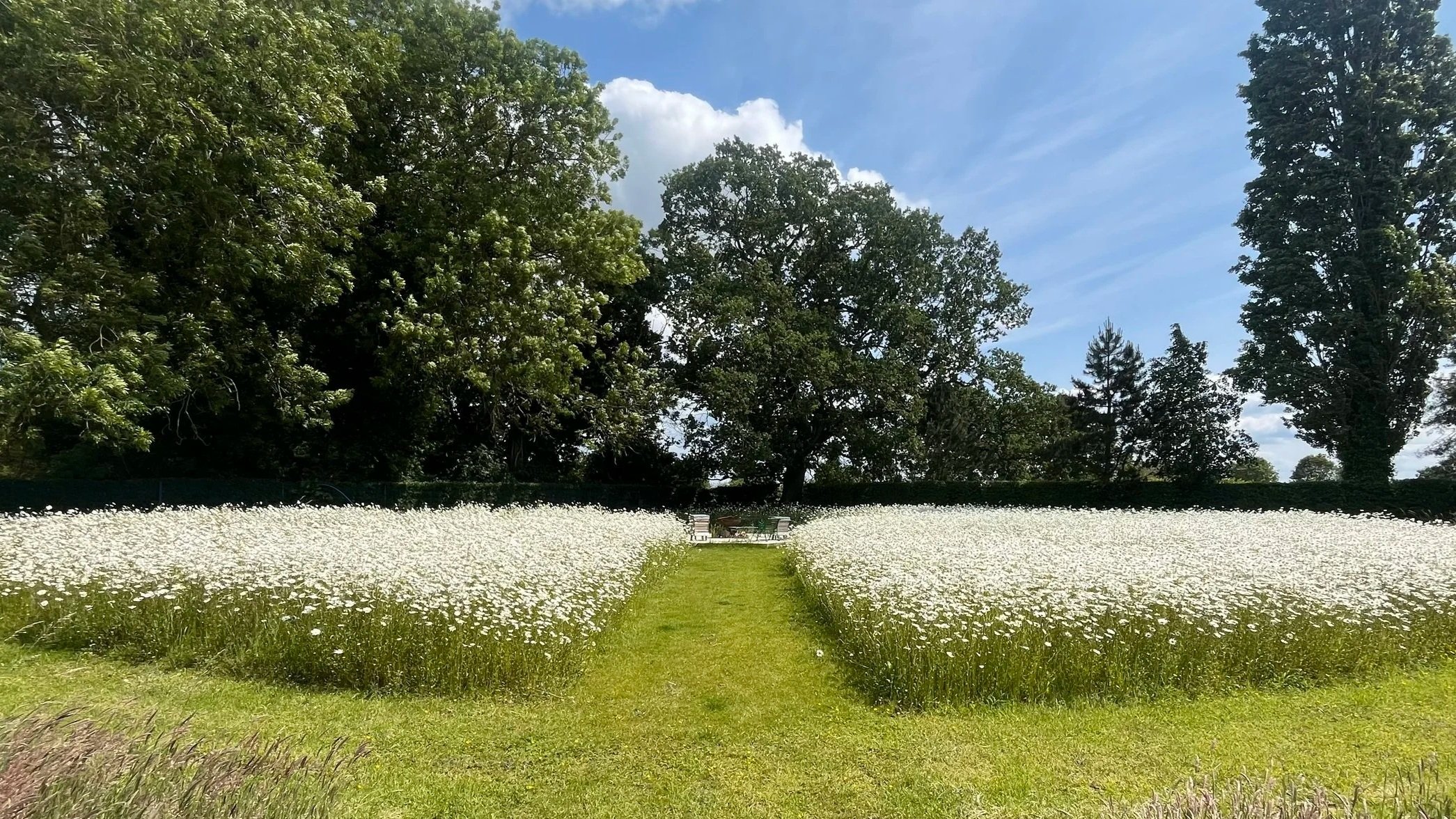
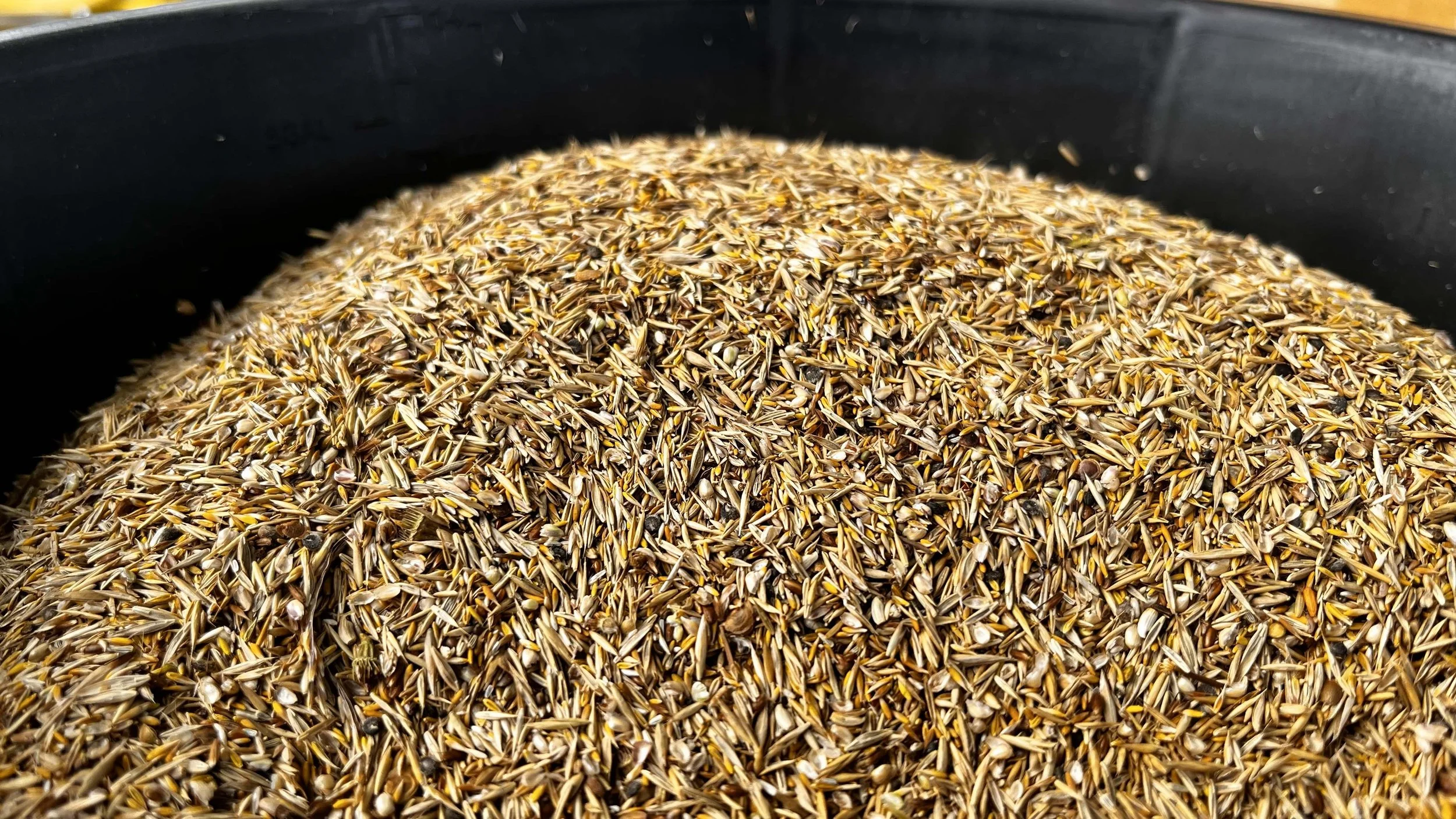
The client wanted to capture the sunset surrounded by friends and flowers and their bee hives! We first killed off the existing grass using an organic herbicide, before turning over the soil with our Winton Stone Burier. The tilth created is absolutely perfect, and we have used it on all sorts of soil types, even using it to turn over overgrown allotments! We left it for 3 weeks before spraying off once more, and then finally we sowed an annual nursing crop as well as a specific perennial mix, with year one bringing the cornfield annuals, and year two bringing the perennial Oxeye Daisies. Finally we sowed the main path and then rolled it all in. We work closely with one of the oldest British Wildflower Seed companies in the country, and who are local to us, Emorsgate Seeds who not surprisingly hold the Royal Warrant. Their approach to Wildflower Restoration is unmatched.
Another approach is to improve an existing lawn, or field, in order to retain some elements that are already there. Although this is generally a slower approach, it is one of the cheapest ways, but tends to take a number of years to flourish. This is mainly because annuals struggle to compete with the grasses that are already there, and the perennials tend not to flower in their first year, hence why we use an annuals nursing crop when we start from scratch, as they give colour year one. But on projects where there is already some interest in the sward, and to maintain the mycelium networks built in the soil, it’s a great approach. The first thing to do is cut and collect what is already there, remove from site and compost.
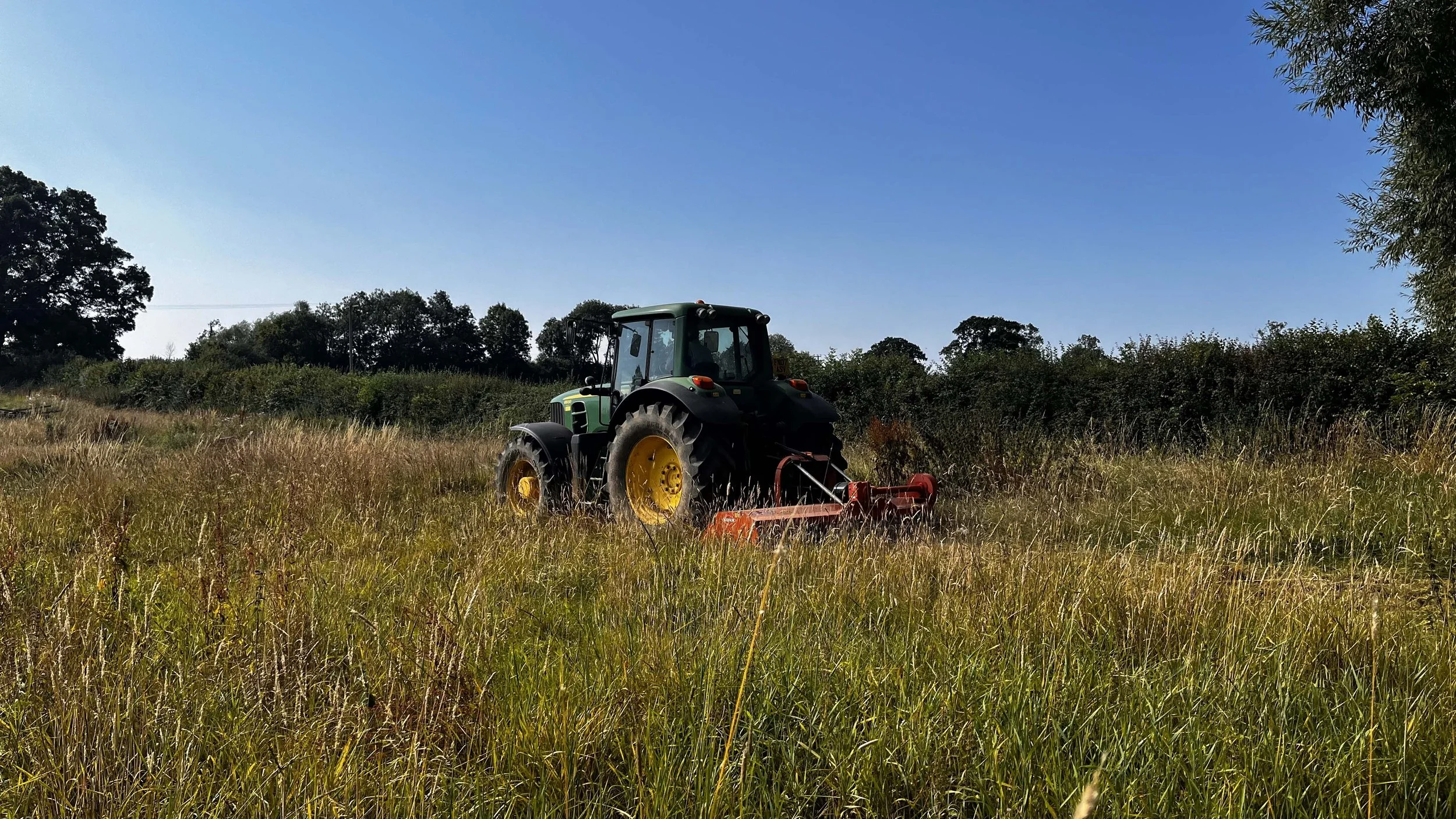
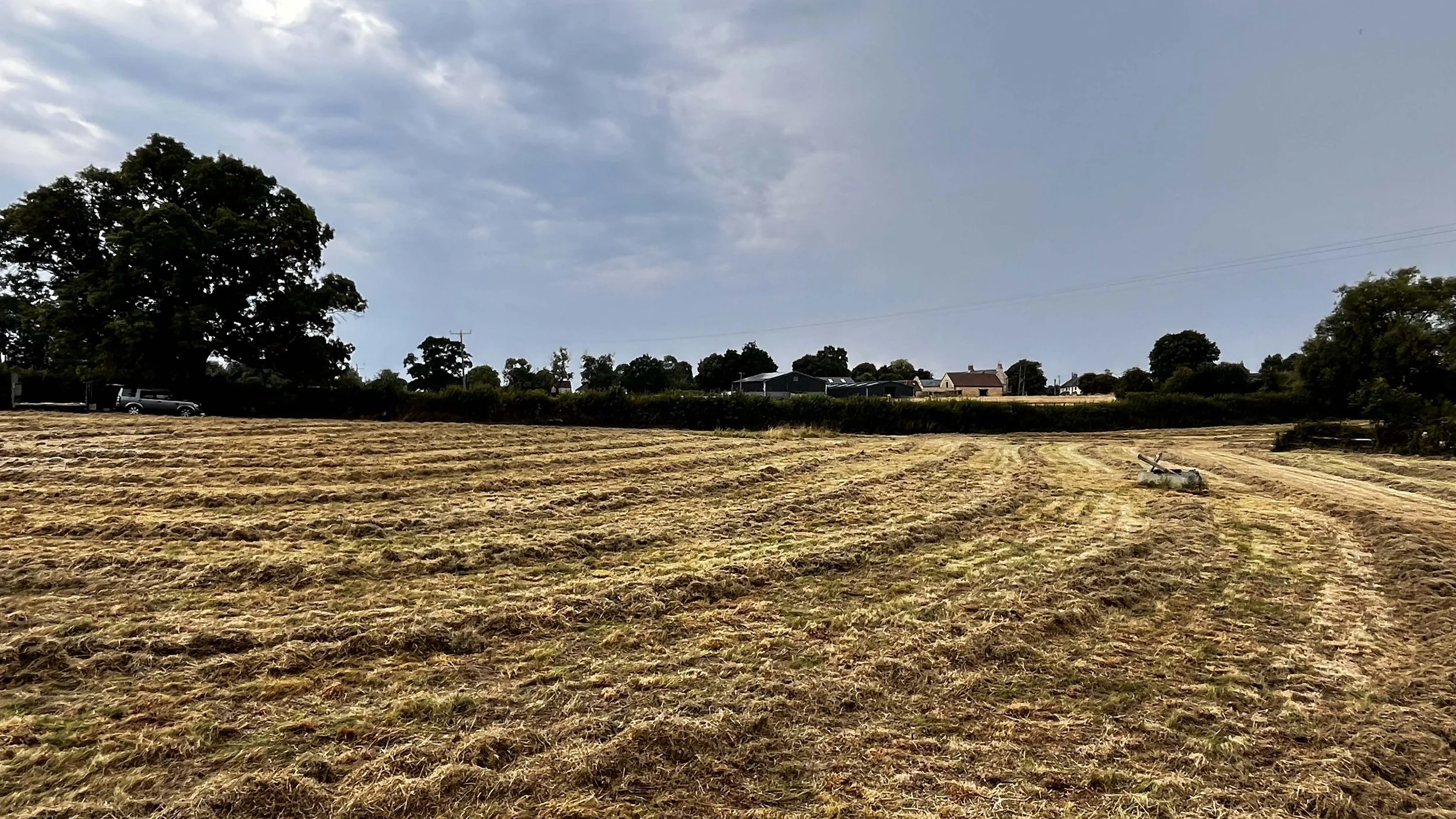
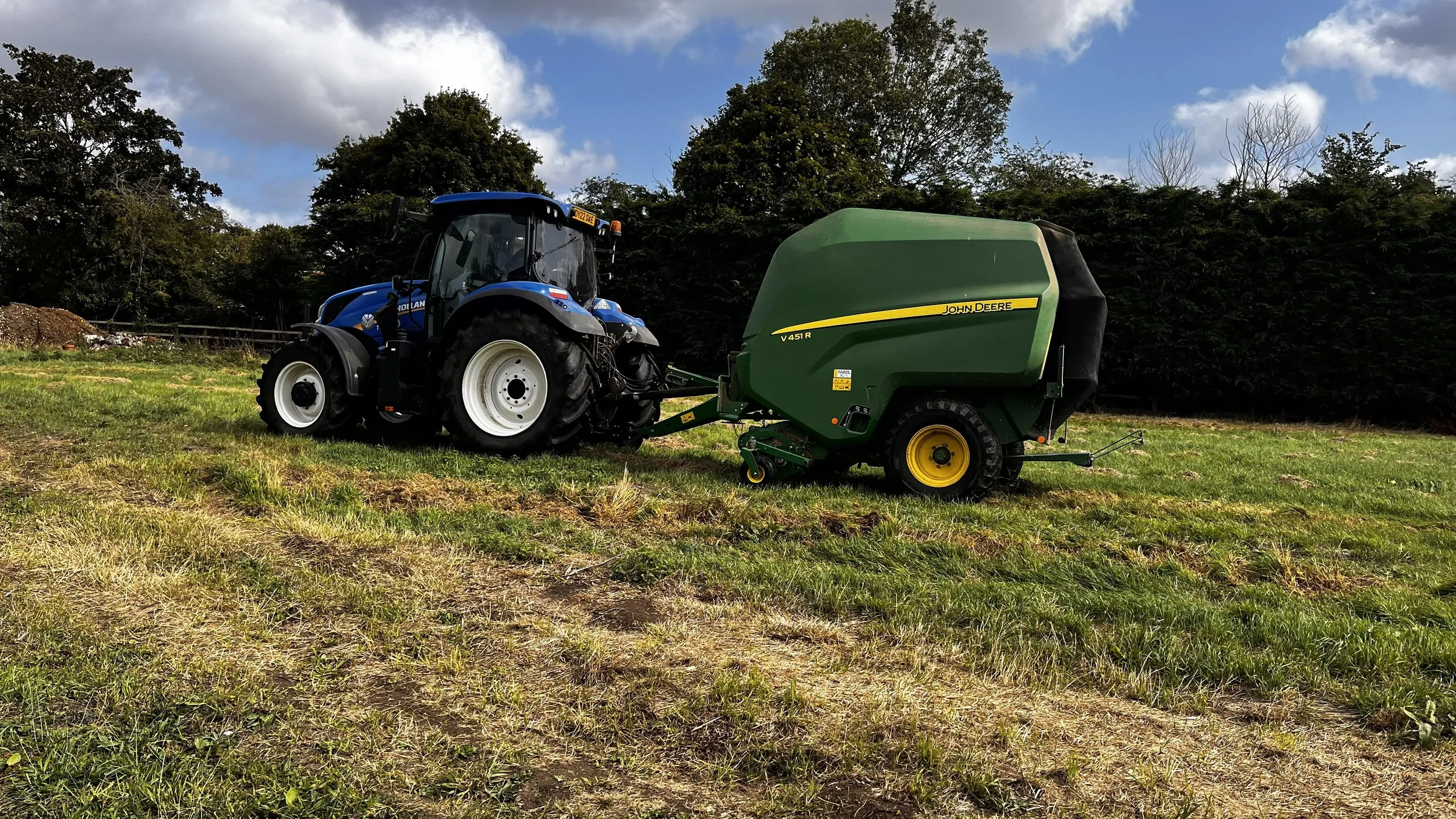
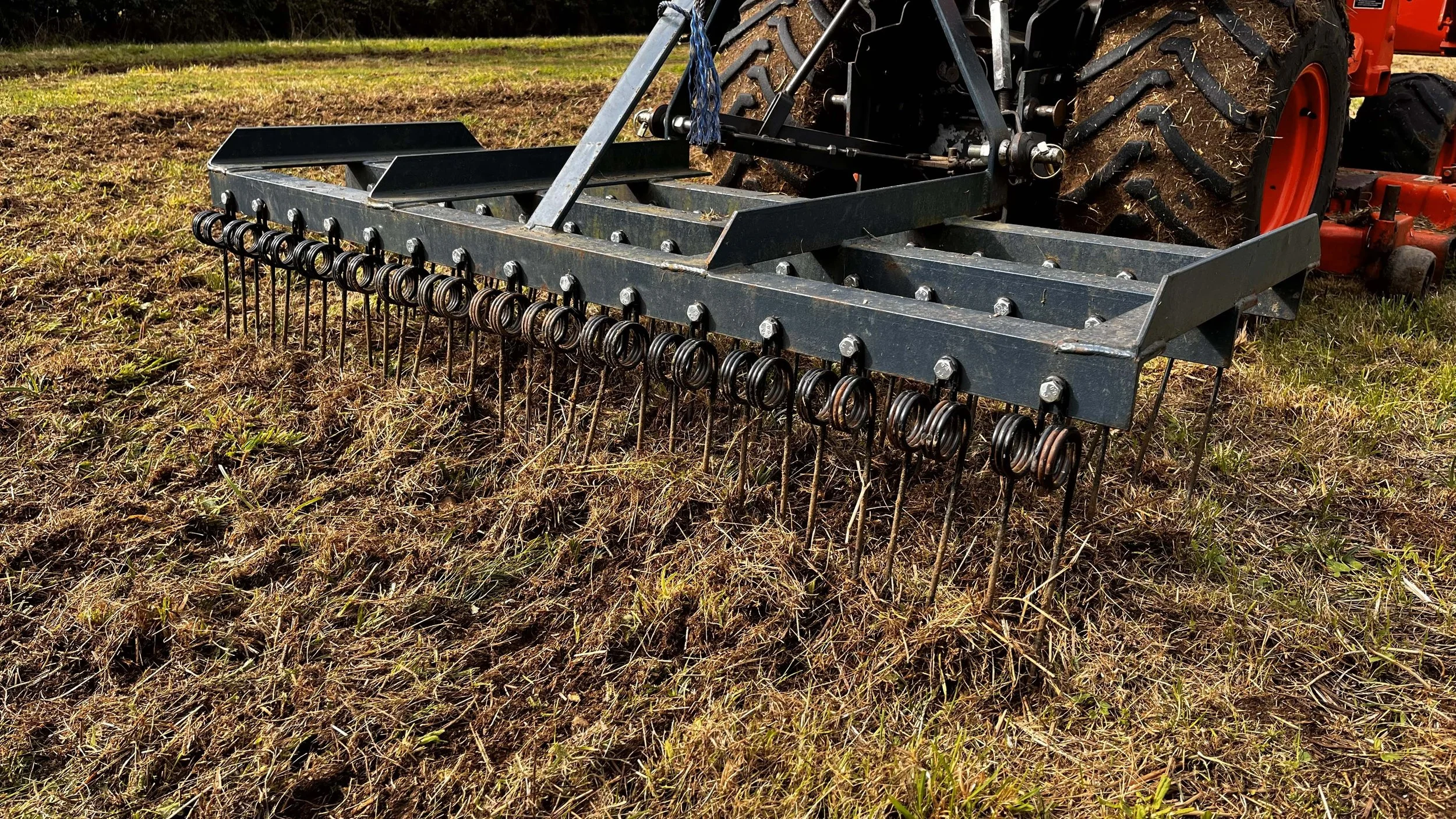
In this case we used a flail due to the fact there was all sorts of hidden debris in this field, old fence posts and the like. And then we collected using a round bailer without any twine so we could drop it onto a large compost heap in the corner of the field. From there our basic approach is to use our spring tine harrow to create space in the grass (sward), and then over sow with various wildflower mixes depending on soil type.
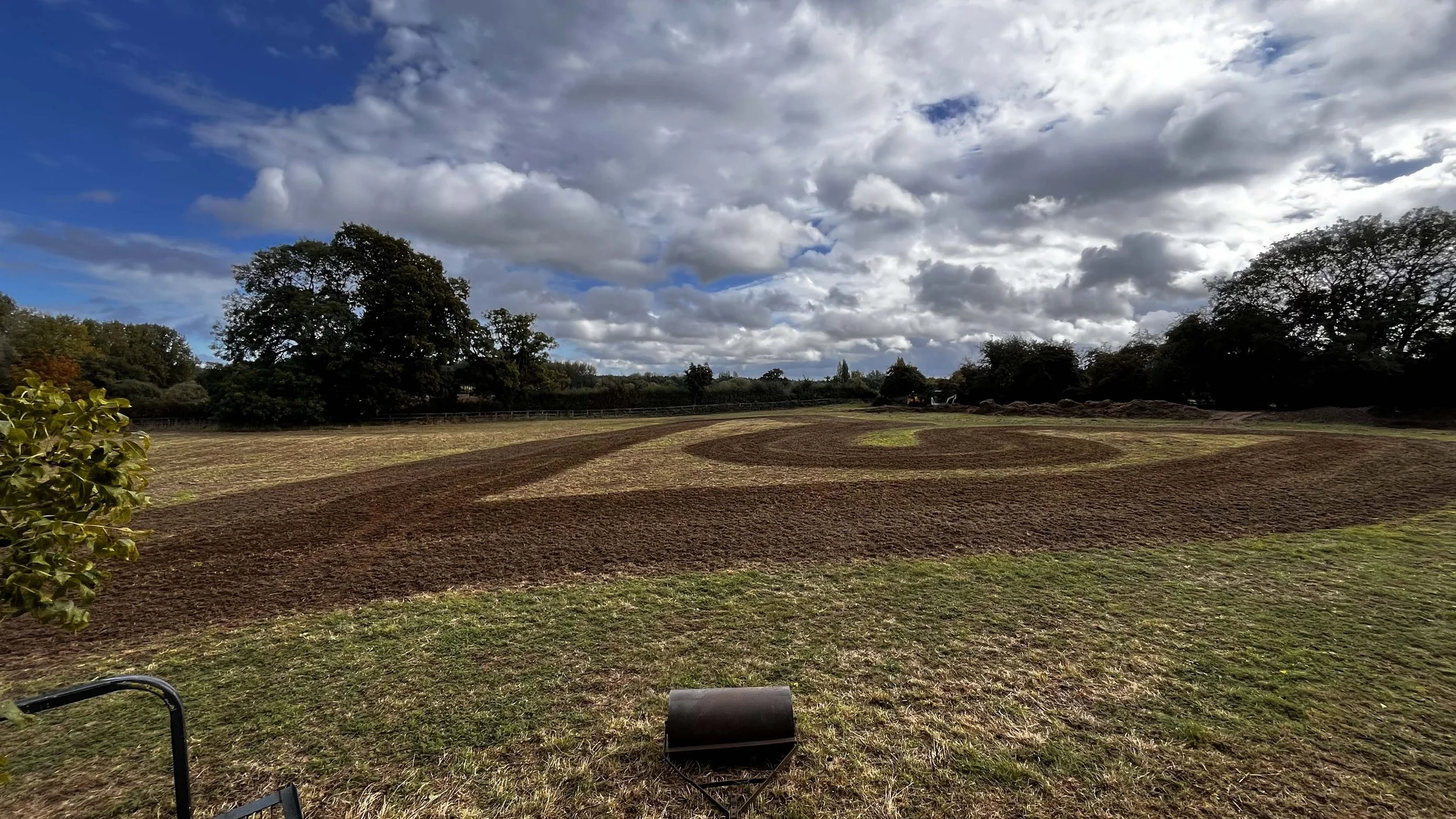
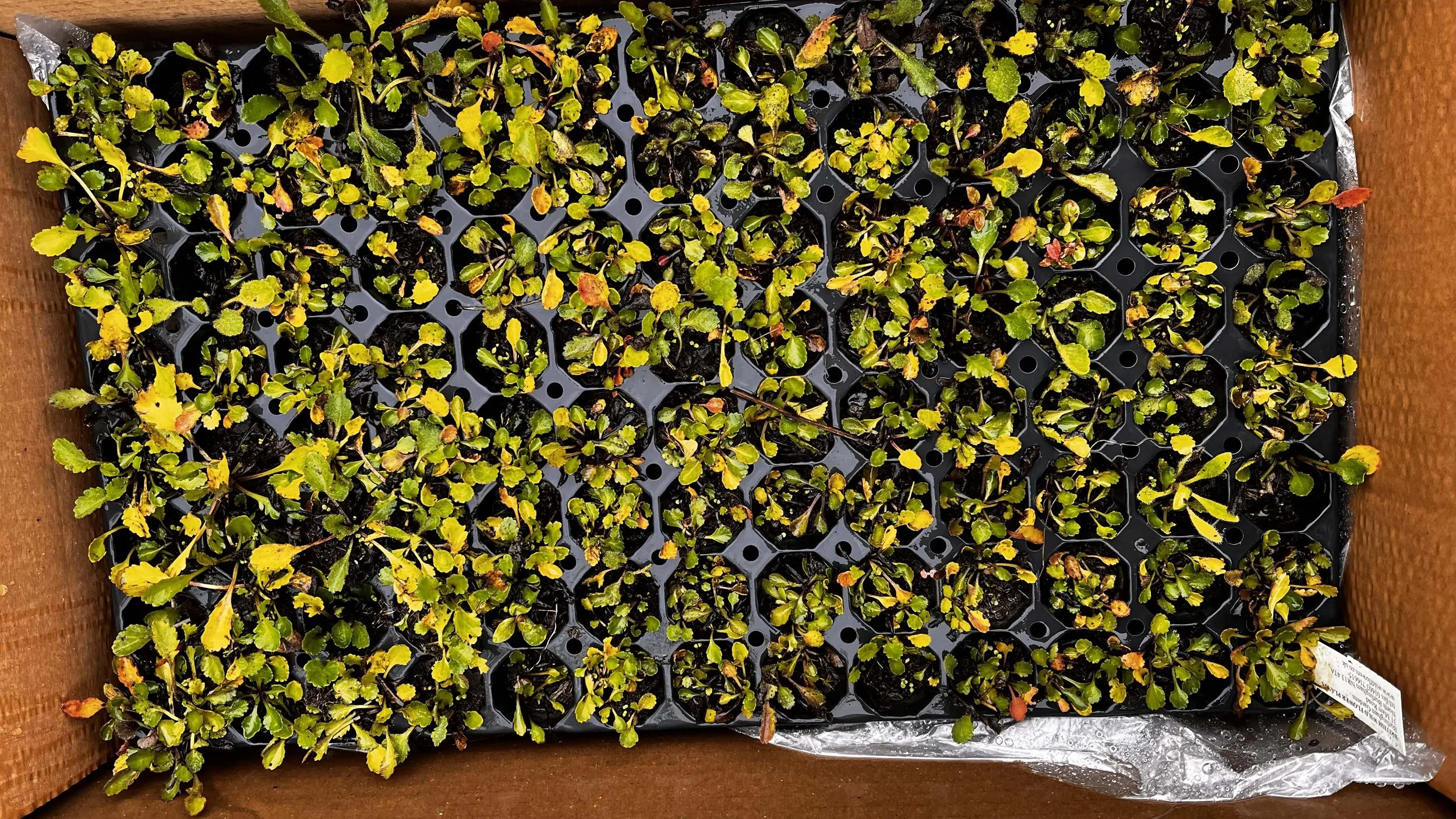
We often bolster this approach with Wildflower Plugs which can flower in year one, as they were sown the previous year, so in essence are year two plants. We work closely with British Wild Flower Plants in Norfolk. In Fringford Cottage Meadow, a 3.5 acre meadow in Oxfordshire, we renovated using a mix of approaches, from fresh tilled soil, to harrowing, oversowing and over 7000 plug plants.
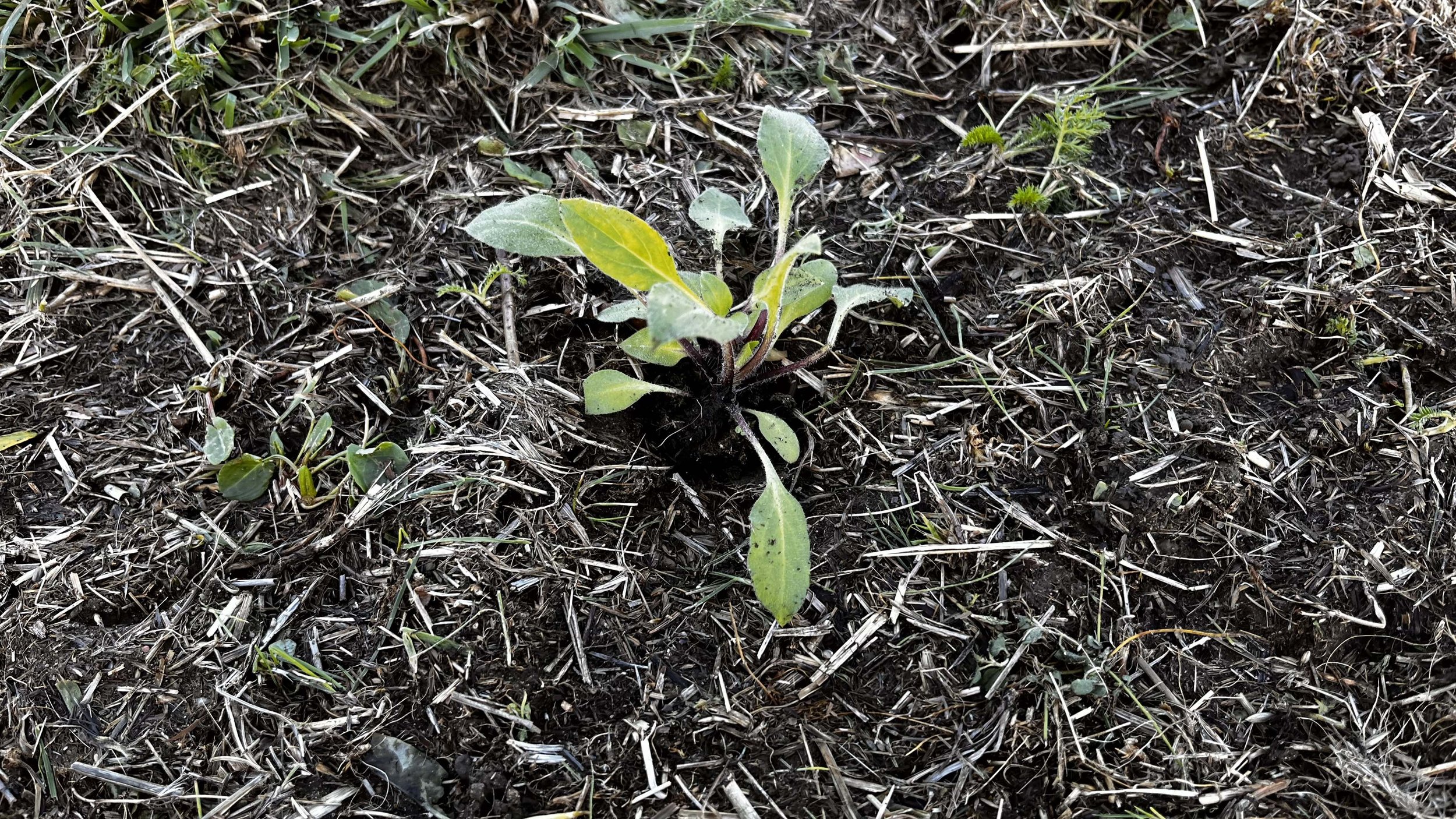
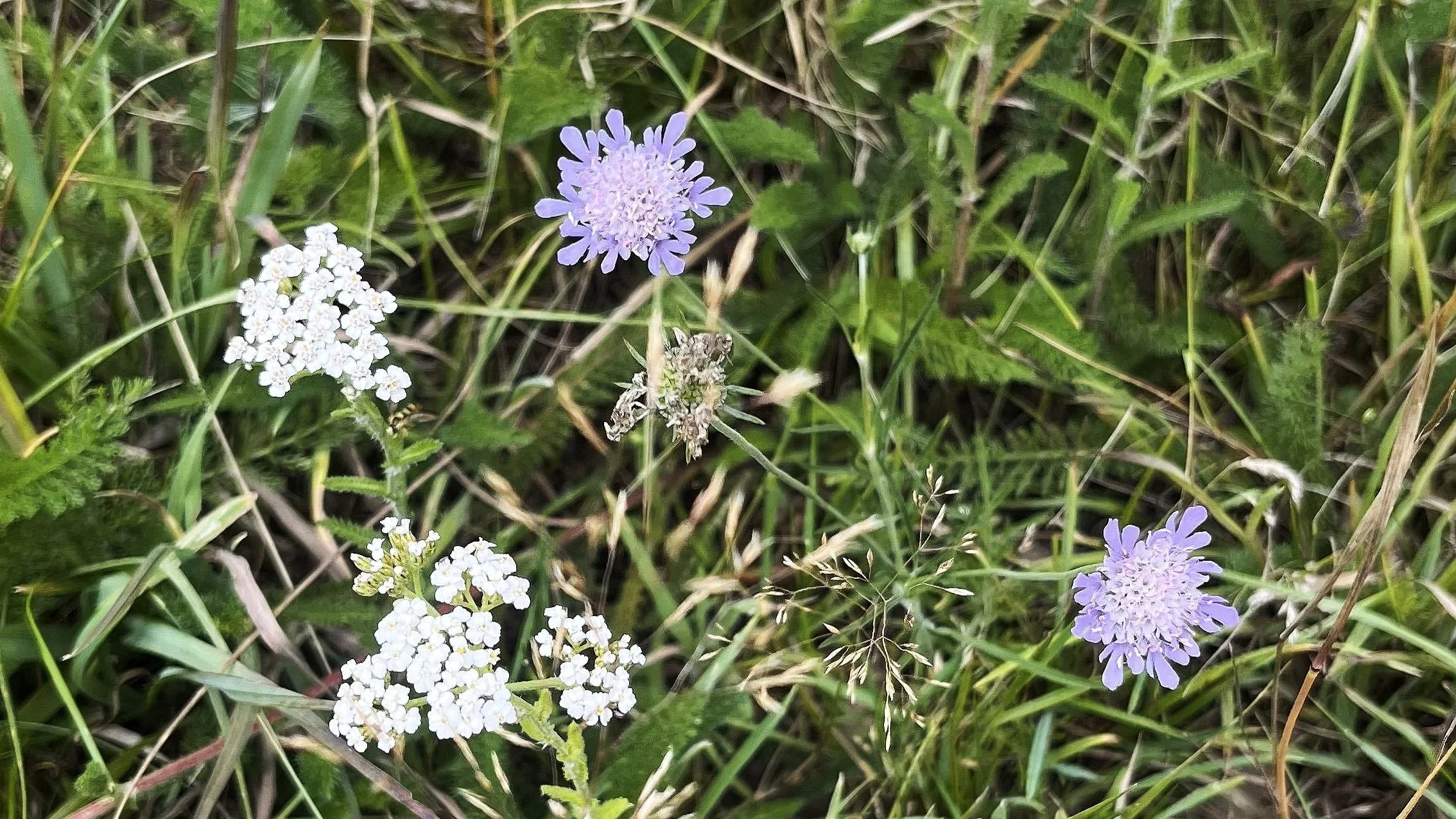
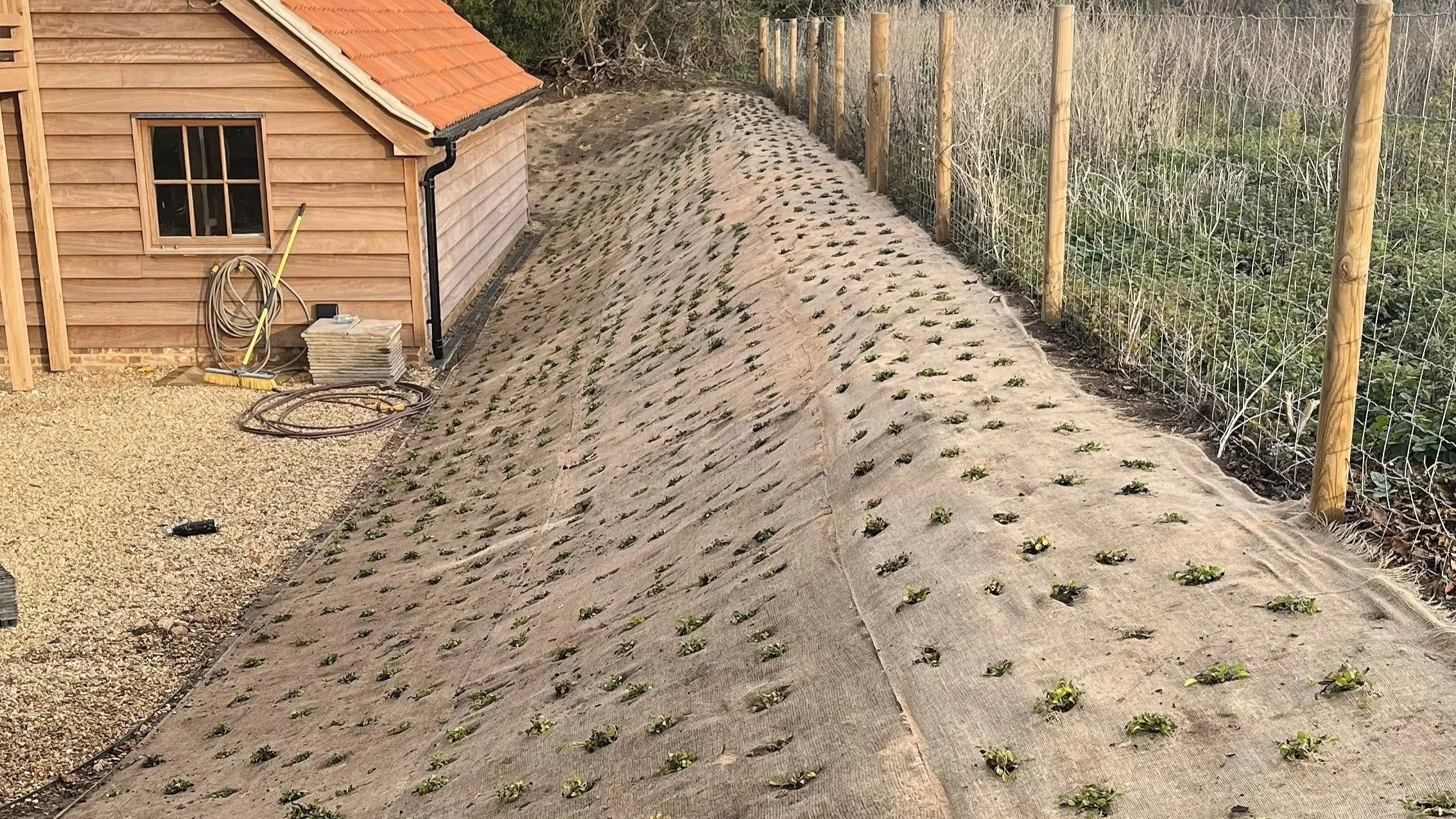
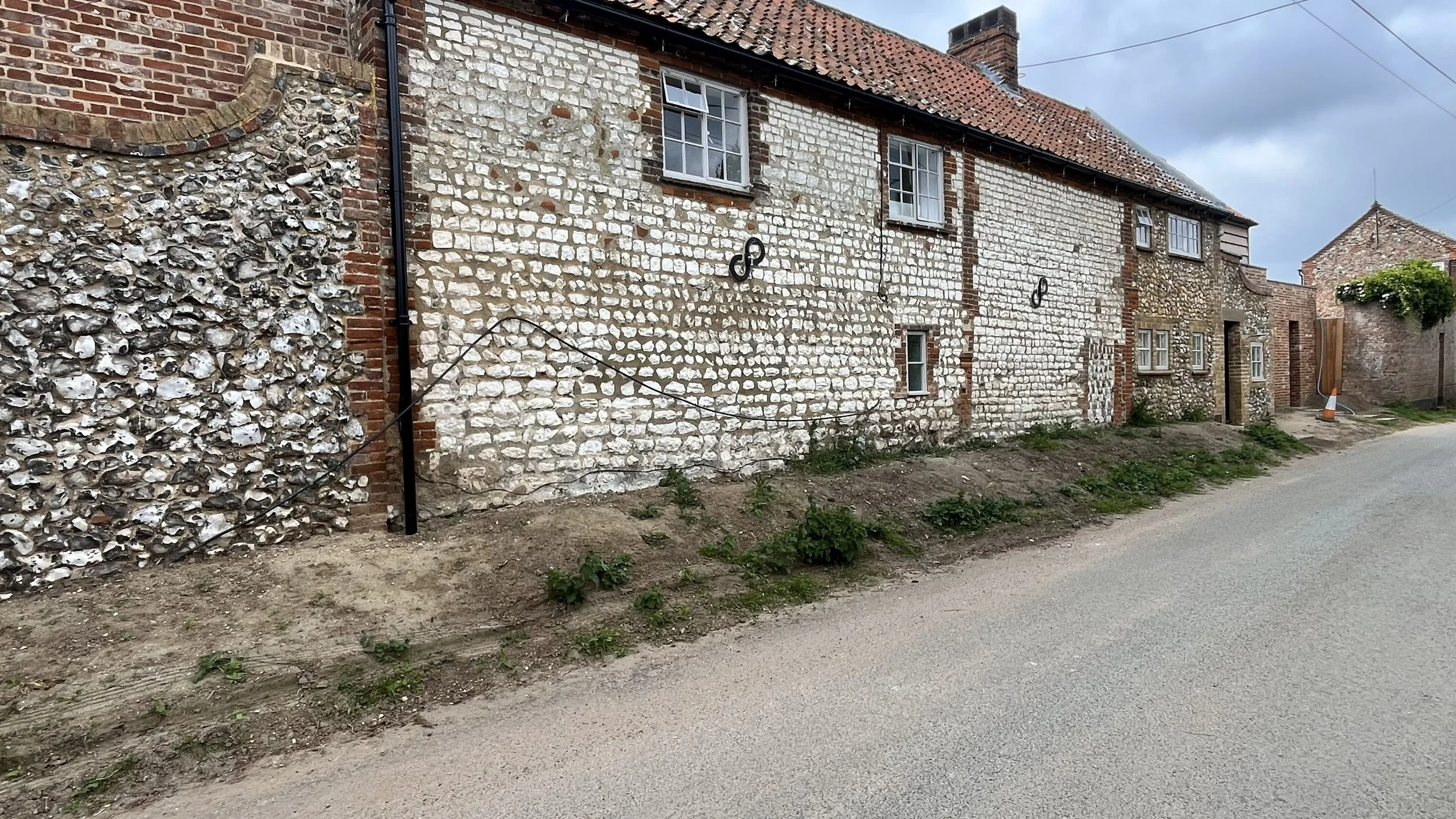
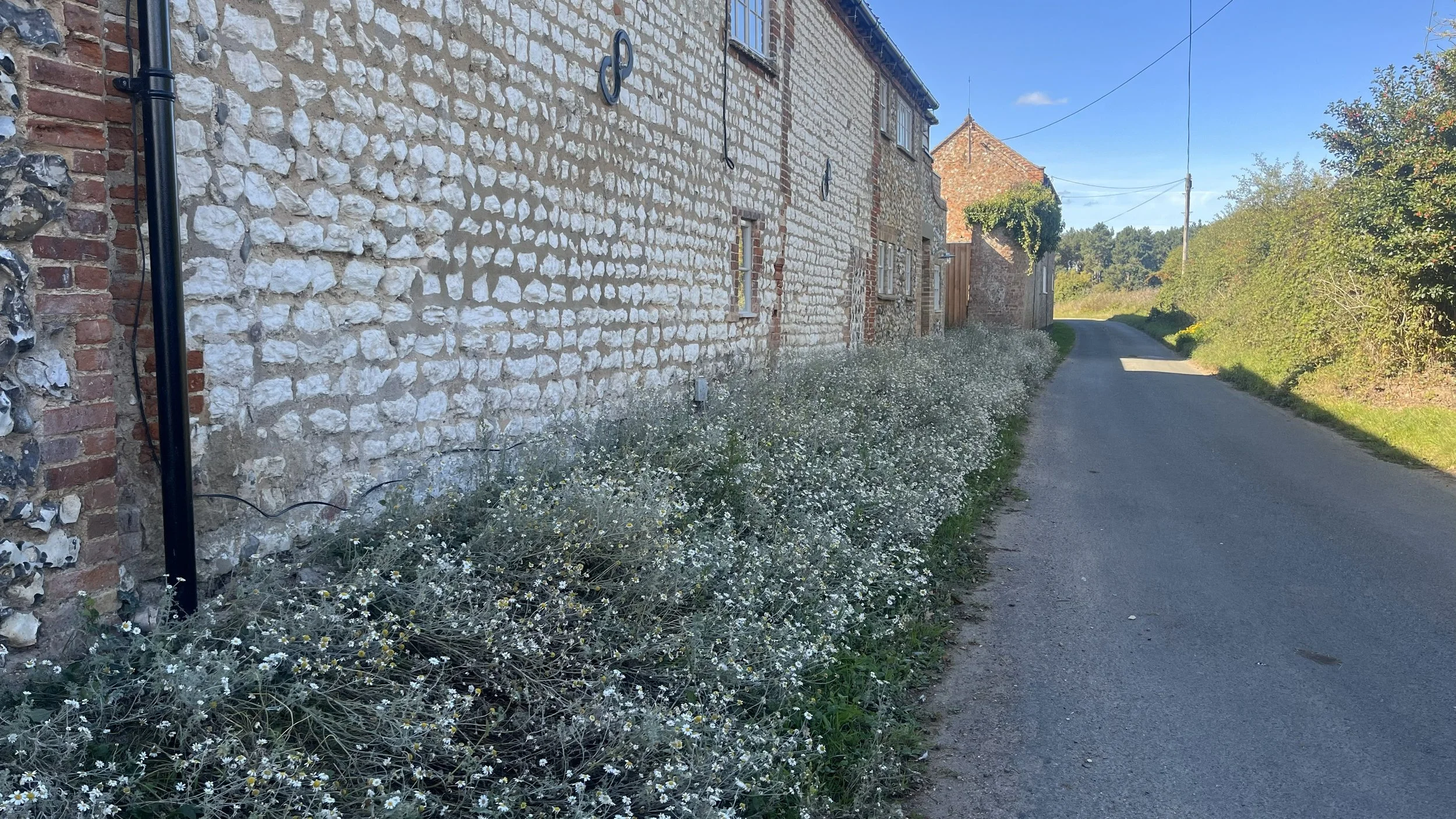
You can use Wildflowers absolutely anywhere, from city to village, field to garden, border, bank or swale. And one such project covered in excess of 120 meters of banks that surrounded a clients property. The banks were in various conditions of disrepair due to ongoing building works, and the client wanted them completely restored with white Wildflowers. The project took place in summer and autumn of 2025, and although summer is generally the worst time of year to sow due to the amount of water needed, luckily they had their own source.
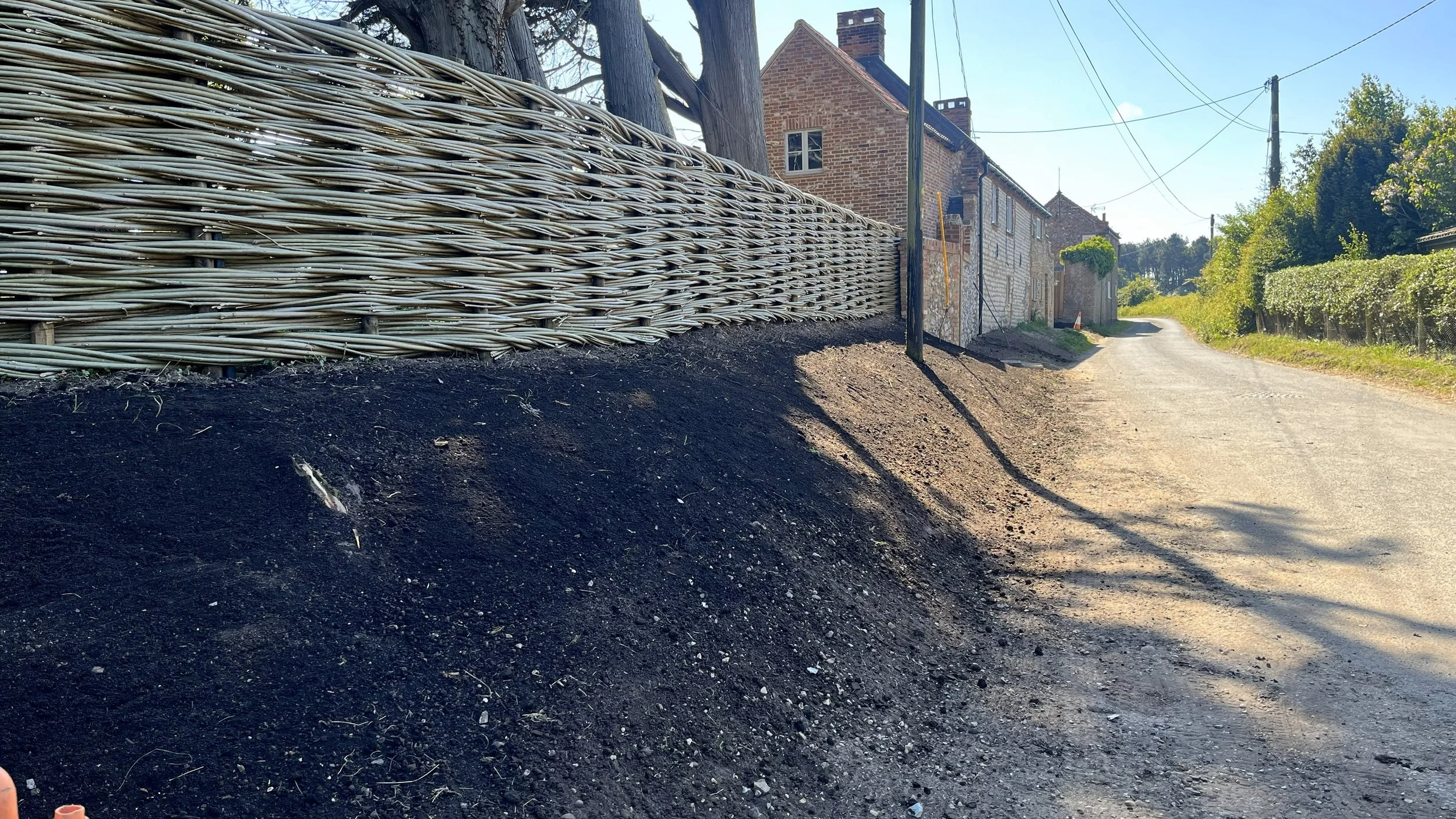
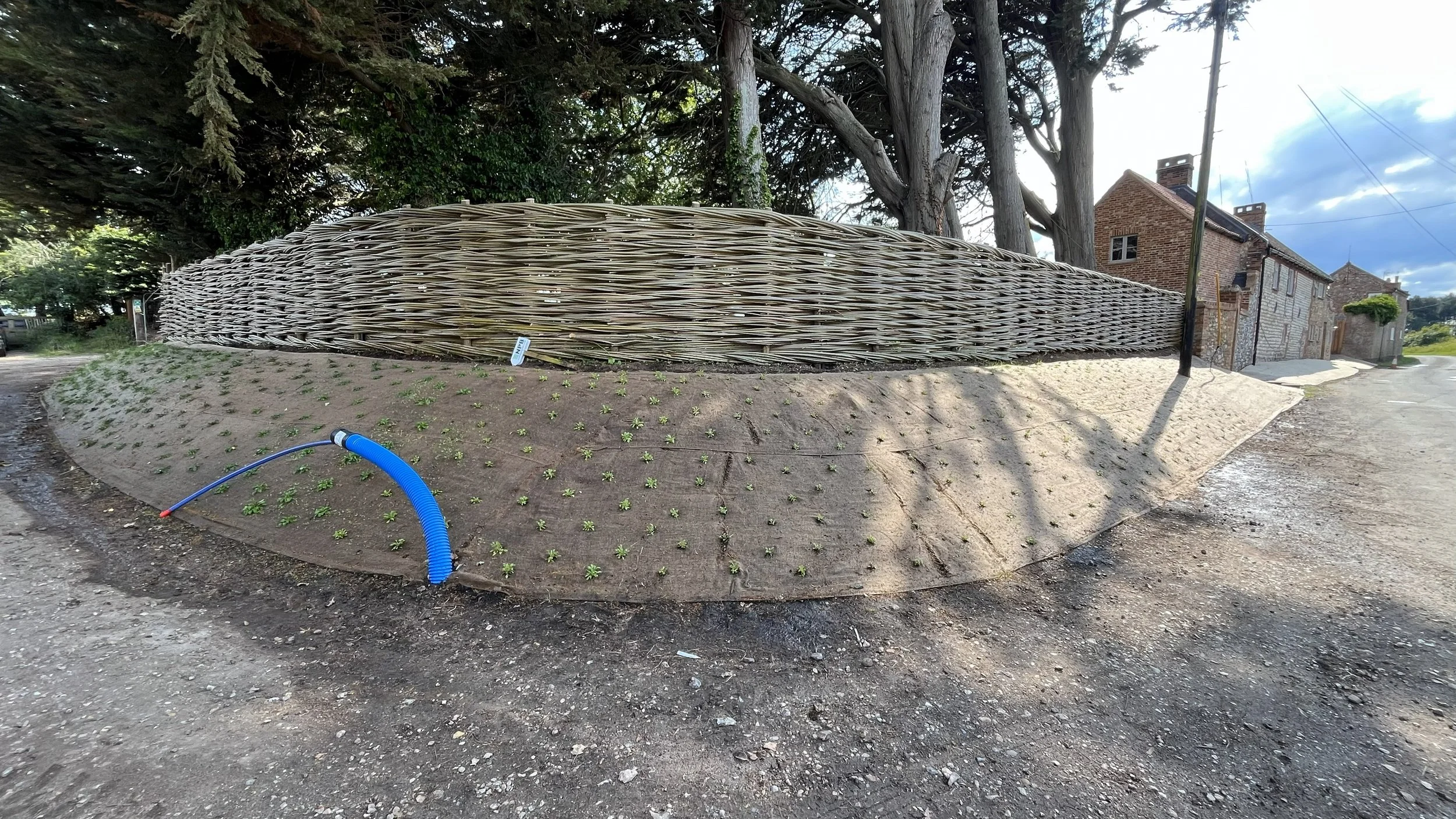
The banks were initially shaped with a digger, before we brought in top soil to get a better shape to them. We then sowed a mix of seed, before using a layer of hessian to stabilise the banks. We oversowed and planted around 4000 Wildflower plugs across the whole site.